
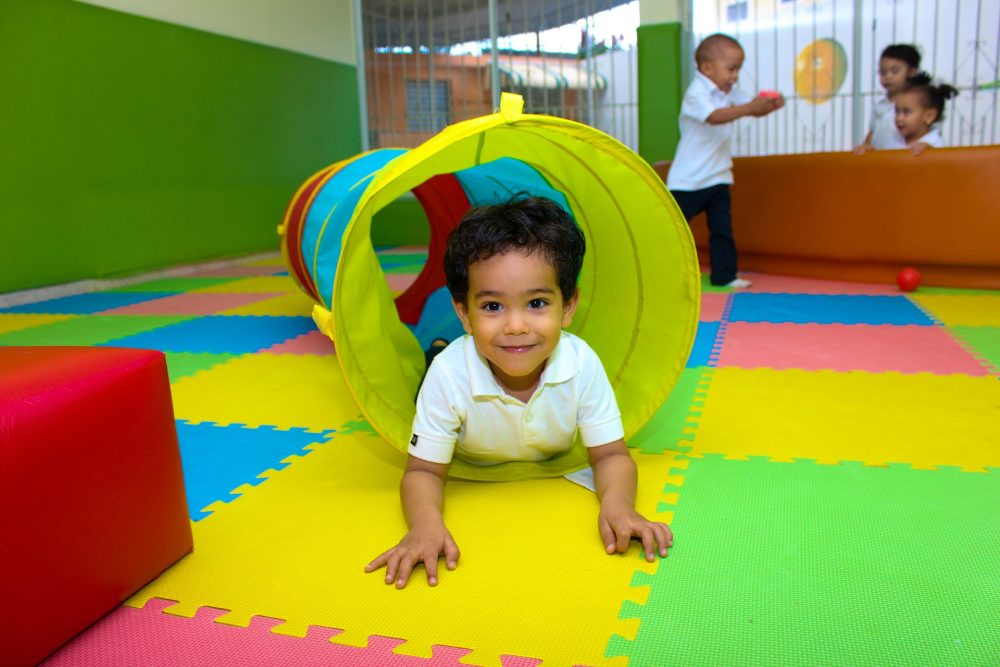
For many, early childhood education (ECE) is seen as play-based learning or preparatory education for transitioning to primary school. However, it goes beyond that. ECE lays the foundation for lifelong learning, emotional well-being and social skills. During this period, children develop crucial cognitive and social abilities that shape their thinking and behaviour. Multiple studies have shown that children exposed to early childhood development programs are better equipped to communicate, tackle tricky situations and manage emotions – all skills necessary for primary school and beyond.
Introduction: Why Early Childhood Education Matters
The early years, from birth to age eight, are a key period for brain development in children. Learning properly during these formative years at a childcare facility in Melbourne CBD makes it more likely that children will reach their full potential as they grow up and effectively participate in social, economic and civic activities.
More precisely, rapid brain development takes place between birth and the first three years of life, helping connections between individuals form. Mechanisms and interventions are necessary to encourage this development. Exposure to positive factors, such as stable and safe living environments or loving and responsive relationships, promotes healthy brain development. Children’s brains will likely develop faster in a fully supported environment and demonstrate long-term benefits, be it in terms of academic performance or social skills.
The Core Goals of Early Childhood Education
Let us explore how ECE paves the way for future success:
- Promoting Cognitive, Emotional and Social Growth
The quality of education a child receives during the early years directly influences their cognitive abilities. Activities like puzzles, role-playing, sorting and construction play allow children to interact with different materials and develop cognitive skills, problem-solving and conflict-resolution abilities. As cognitive abilities expand, children can recognise, label, manage emotions and express themselves effectively. Their ability to understand others’ emotions builds social awareness and provides opportunities to develop friendships.
- Encouraging Curiosity and Creativity
ECE nurtures curiosity and creativity by creating an open environment for children to learn, explore and experiment. ECE instructors observe children’s areas of interest and create hands-on activities to promote interest-based learning. A safe learning space allows children to take risks and explore without worrying about failing.
- Building Communication and Language Skills
ECE programs primarily focus on creating a language-rich learning space, giving access to engaging books and print materials for children to engage with the learning materials. Additionally, the program encourages adults to listen actively and speak slowly and clearly, while children learn to talk and practice new vocabulary. Sharing stories or storytelling also stimulates language development through activities like describing objects, pretend play and turn-taking games.
- Fostering Independence and Confidence
ECE also aims to provide children with opportunities to develop problem-solving, decision-making and self-help skills. Encouraging them to do tasks independently allows them to become self-reliant and builds their confidence for tackling future challenges.
Key Components of a Quality Early Childhood Program
A quality ECE program is characterised by several critical components, which include age-appropriate resources, a safe and positive learning environment, qualified educators and strong family support.
- Play-Based and Inquiry-Based Learning
While play-based learning aims to make learning fun through hands-on, imaginative activities, inquiry-based learning focuses more on learning through investigating and asking questions. Combined, they create an engaging learning environment that fosters social skills, emotional development and an interest in learning.
- Trained and Nurturing Educators
Trained and licensed ECE educators adopt a nurturing approach to create a safe and supportive environment for children’s holistic development. They understand the importance of child development and use play-based learning to engage children in activities that allow them to explore and experiment.
- Age-Appropriate Curriculum
ECE focuses on creating a play-based curriculum that perfectly balances achievable and challenging tasks to foster a love of learning and a sense of accomplishment. It is tailored to specific learning stages to meet the needs of children of a particular age group and improve their creativity, problem-solving, and social skills.
- Safe and Stimulating Environments
A safe and child-friendly learning space empowers students to explore and develop decision-making abilities through age-appropriate challenges. Indoor and outdoor areas are designed for exploration while maintaining safety standards to prevent accidents and promote safe learning.
- Family Engagement and Support
Family engagement focuses on creating a dynamic partnership between families and educators to create a supportive and nurturing environment. It encourages active involvement of families and educators, meaningful interactions and collaborative decision-making so children not only love but also flourish in their academic pursuits.
How Early Learning Shapes Future Academic Success
The importance of early learning for holistic development cannot be overstated. From social and emotional development to building peer relationships, it sets the foundation for learning, growth and development.
- Social and Emotional Development Benefits
Early learning experiences enable students to build resilience, develop social skills to regulate emotions and more effectively manage challenges and setbacks. The curriculum allows students to interact with their peers and elders, navigate different social interactions and form healthy relationships for a sense of belonging and improved academic outcomes.
- Learning Cooperation and Empathy
ECE comprises structured activities that allow children to work on group projects and games designed to teach them the art of sharing, working and solving problems. Furthermore, they learn to recognise different emotions and model cooperative behaviour by developing social problem-solving skills and demonstrating sharing, effective communication and empathetic responses.
- Developing Self-Regulation and Resilience
Early learning creates a supportive environment where children feel secure and free. They demonstrate self-regulation, develop coping strategies and learn to identify, understand and express their feelings using emotional vocabulary. Allowing children to develop at their own pace helps them regulate their emotions without getting overwhelmed.
- Positive Peer Interactions and Friendships
Early learning is crucial for building social skills like sharing, cooperating, communicating and resolving conflicts through peer interactions. The curriculum allows children to work with their peers, understand different perspectives and emotions and develop a sense of connection and support for improving self-esteem and confidence.
How Kids & Co Early Learning Centre Helps Build Strong Foundations?
Kids & Co has qualified and merited educators who focus on creating a curriculum that allows children to learn through practice. The curriculum is tailored to every child’s needs, so they thrive in the following areas and develop skills for future academic success.
- Literacy and Language Development: Activities like reading, storytelling and conversations lay the groundwork for vocabulary development, as well as improved comprehension and communication skills for self-expression.
- Numeracy and Logical Thinking: Solving mathematical problems through fun games and everyday interactions helps children identify different numbers and patterns and improve their problem-solving skills.
- Social-Emotional Skills: Kids & Co’s ECE programs are designed to help kids identify emotions, build relationships and handle conflicts to improve their social interactions.
- Physical Skills: Early learning foundation programs focus on the development of gross motor and fine motor skills to improve children’s ability to move, play, learn and interact with their surroundings.
Conclusion: Investing in Your Child’s Bright Future
In the early stages of life, a child’s brain readily captures experiences and absorbs information from the surroundings. This is integral to setting the foundation for lifelong learning, promoting emotional well-being and encouraging social development. Therefore, investing in an ECE program that goes beyond simply preparing children for school can help them build skills and values that shape their character. Kids and Co. Child Care is a leading institution that provides high-quality, age-appropriate resources and modern facilities to make early childhood learning fun and engaging. Book a free tour now!
